Stronger plants
Silicon enhances effect of potassium: it improves the absorption of K by the root system, strengthens cell walls and protects plants from stress (drought, heat, disease).
Supports stress tolerance against biotic and abiotic factors.

Lignin represents the foundational step in creating premanent soil fertility. Silicon plays a mechanical role.
Lignin and silicon (silicium, Si) are a powerful «natural duo» for plants.
Lignin acts as a building block (like concrete), while silicon serves as reinforcing agent (like armor).
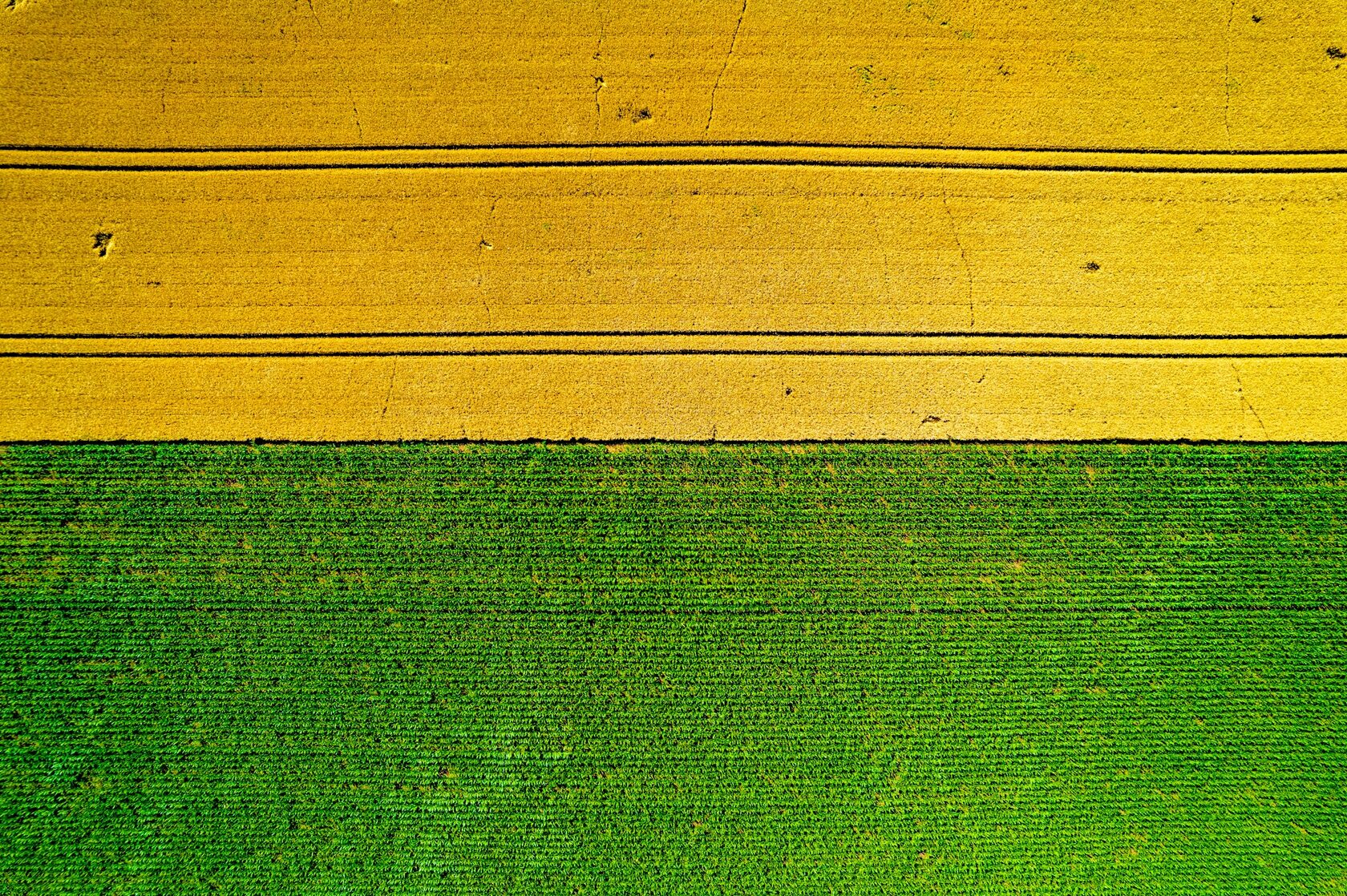
LignoSiliKa is a lignin enriched with silicon and potassium.
A natural activator of plant growth.
Optimal proportion of silicon and potassium.
10% silicon
3% potasium
33-39% organic carbon
12% humic acids
Environmentally friendly silicon-containing lignin products promote soil microbiota activity, changes in the mobility of inorganic micro- and macro- elements in the soil, and roots system development.*
Silicon promotes an increase in the availability of phosphates from soil and fertilizers and increased water-holding capacity*.
Recent studies showed silicon’s potential for improving plant resilience to fungal diseases.**
For growers who care: lignin is obtained from wood,
renewable raw material.
* Telysheva G., Lebedeva G., Dizhbite T., Zaimenko N., Ammosova J., Viesturs U. Use of Silicon-Containing Lignin Products for in situ Soil Bioremediation. In: Bioreremediation of Contaminated Soils. Ed.Wise D..L. et al. Marcel Dekker, Inc. New York, 2000, pp. 677-727.
** Pandey, R., Singh, C., Mishra, S. et al. Silicon uptake and transport mechanisms in plants: processes, applications and challenges in sustainable plant management. Biologia Futura 76, 19–31 (2025). https://doi.org/10.1007/s42977-024-00247-x
Silicon enhances effect of potassium: it improves the absorption of K by the root system, strengthens cell walls and protects plants from stress (drought, heat, disease).
Supports stress tolerance against biotic and abiotic factors.
Lignin is considered one of the important natural precursors of soil organic matter, including humic substances. Lignin aromatic structure, partially degraded and oxidised by soil microorganisms, contributes to the aromatic fraction of humic acids. ***, ****
Excellent also for soil purification and remediation after contamination by oil spills, pesticides and heavy metals, by stimulation of processes providing soil self-purification.
*** Khatami S. Lignin: A Likely Precursor of a Significant Fraction of Humic Substances Via Oxidative Transformations (2020). PhD, Dissertation, Chemistry & Biochemistry, Old Dominion University, doi: 10.25777/0azg-8172.
**** Thevenot M., Dignac M.-F., Rumpel C. (2010). Fate of lignins in soils: A review. Soil Biology and Biochemistry, 42(8), 1200–1211. https://doi.org/10.1016/j.soilbio.2010.03.017
***** Lehmann J., Kleber M. (2015). The contentious nature of soil organic matter. Nature, 528, 60–68. https://doi.org/10.1038/nature16069
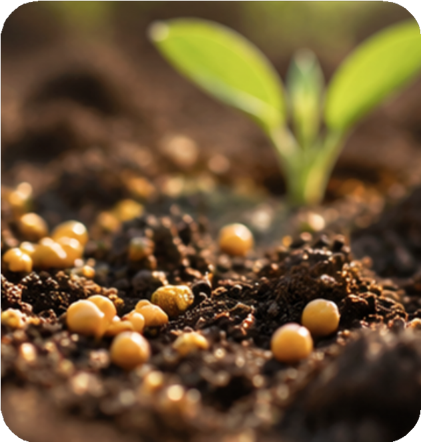
Field tested
Proven on diverse crops: potato, spring wheat, red clover and dill (Latvian field trials)
Better crop quality: potato: +16% dry matter, +18% starch
and 1.6 times less nitrates.
LignoSiliKa, Lignosilicon and BarkSil increased the yield of every tested crop compared with the untreated control.
+15% -27%
Highest gain – dill yield*
* Innovation studies with lignin and silica activity, ERDF «Technology transfer program», identification No. 1.2.1.2/16/I/001LIAA project No. VP-PI-2022/104.
Run a standard K test before sowing. On medium soils the base rate is 40–60 kg per hectare (3–5 g per m² in gardens); on poor sandy ground move to the top of the range (120 kg per hectare).
Tell us the crop and the area. We come back with a rate plan, a price per tonne and delivery terms — pallet or bulk, directly to your farm.